Selection of Dust Test Chambers for University Scientific Research
Author:LINPIN Update Time:2026-09-10 Source:LINPINSelecting a dust test chamber is a critical task for university research. As environmental pollution becomes an increasingly serious concern, researchers are raising higher requirements for the durability and reliability of materials and equipment. Choosing a suitable dust test chamber not only improves research efficiency but also delivers solid support for experimental results.
1. Basic Functions of Dust Test Chambers
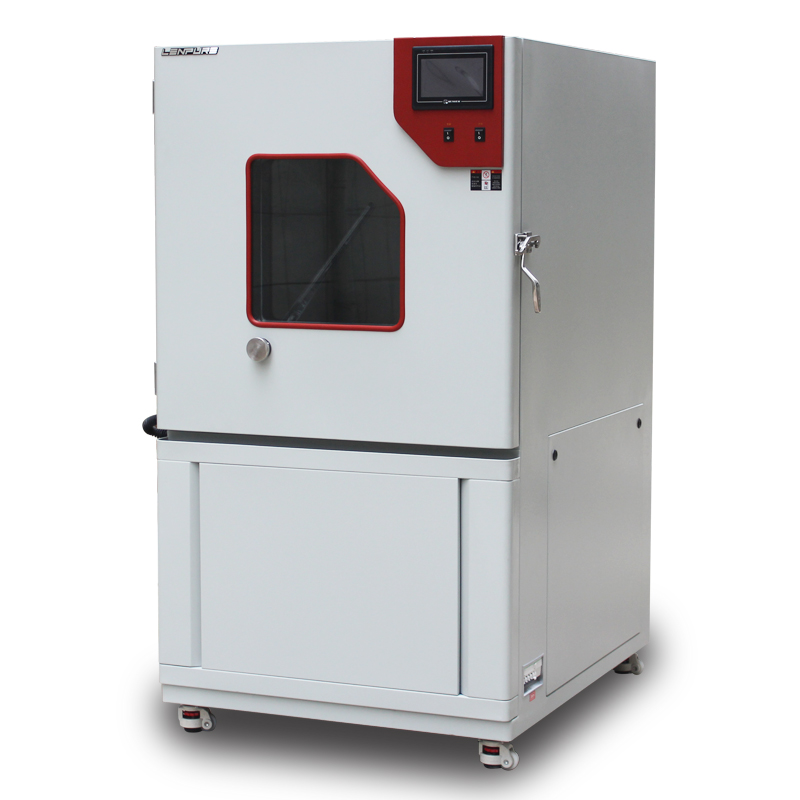
Dust test chambers simulate natural sand and dust erosion. They are used for reliability testing of electronic products, surface coatings on materials, automotive components and other specimens. Core functions include adjustable dust concentration, particle size distribution, wind speed and temperature/humidity control, which guarantee repeatable test conditions.
2. Clarify Experimental Requirements
Before selection, researchers need to define specific test requirements, such as specimen types, target environmental conditions and test duration. These factors directly determine the technical parameters required for the dust test chamber.
3. Key Parameters for Evaluation
- Working chamber size: The internal space must accommodate test samples while reserving adequate operating clearance.
- Dust concentration control: Research projects vary in required dust concentration. Verify that the unit enables precise concentration adjustment.
- Wind speed range: Wind speed governs the impact force of dust on specimens. A properly adjustable wind speed range helps realistically replicate field conditions.
- Temperature and humidity control: Many studies require testing under defined temperature and humidity setpoints, so reliable climate regulation is essential.
- Construction materials and durability: Chamber construction affects service life and corrosion resistance. Units built with high-quality materials better withstand wear from long-term operation.
4. Brand and After-sales Support
Reputable manufacturers generally deliver reliable, high-precision equipment. They usually maintain comprehensive after-sales systems to provide technical support and maintenance, ensuring stable long-term operation.
5. Cost-performance Considerations
With limited research budgets, evaluating cost performance is essential. The lowest-priced model is not always the best fit. Researchers need to balance performance, functionality and total cost.
During procurement, laboratory layout must also be considered. Confirm the chamber can be installed properly without disrupting other ongoing research activities.
Picking the right dust test chamber is vital for researchers to improve test quality and efficiency. The selection process should focus not only on technical specifications but also match the equipment to actual research needs and application value. Scientific, well-informed selection helps researchers tackle modern research challenges and accelerate the translation and application of research findings.